
Why Drinking More Water Might Be the Health Habit You’re Missing
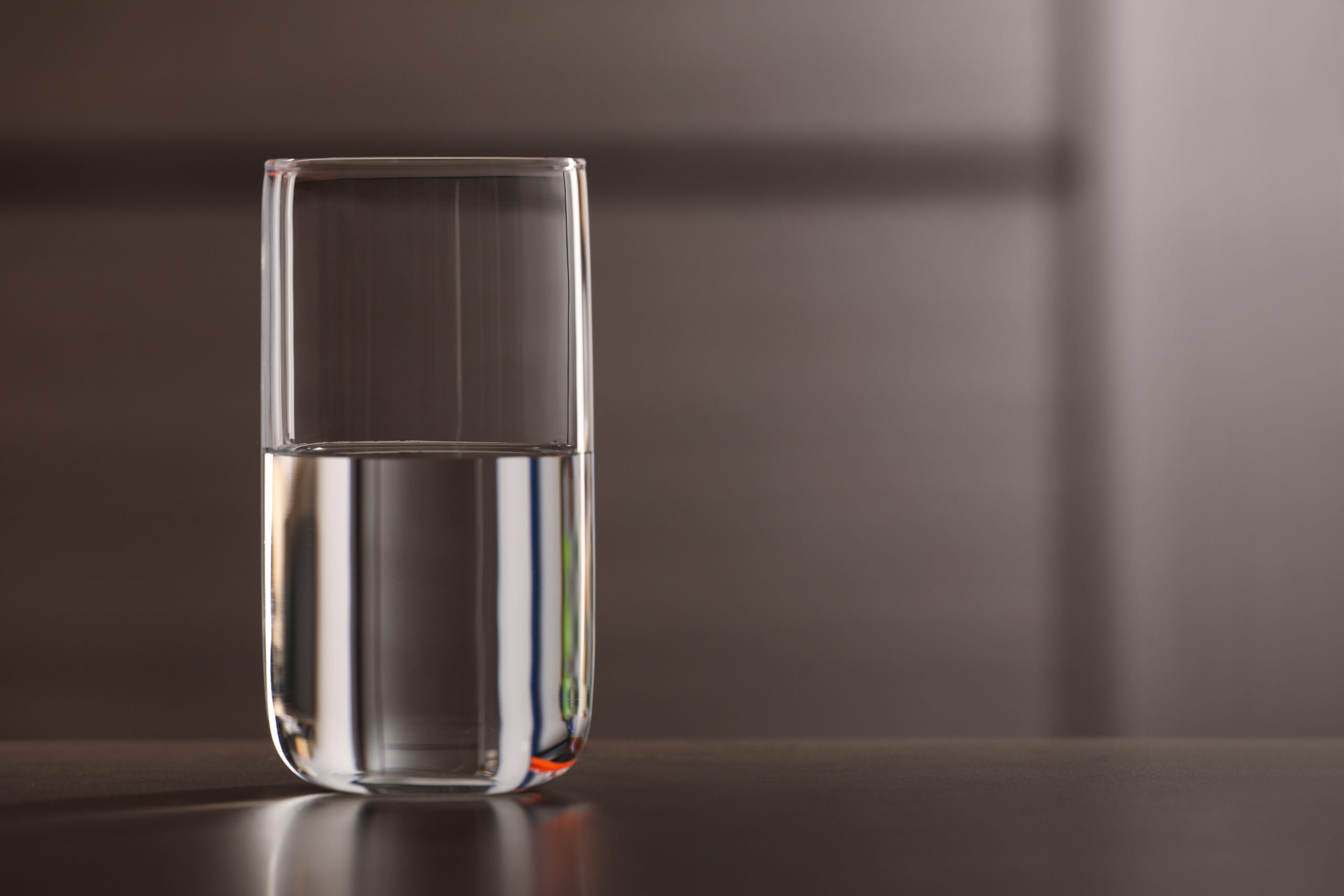
A few weeks ago, everything felt heavy. I was tired. Achy. Unmotivated. Shorter with people than I wanted to be. So I did what most of us do. I went looking for a big explanation. Was I stressed? Was I overwhelmed? Did I need a vacation? Then it hit me, and it was almost embarrassingly simple.
I had not been drinking enough water.
Not coffee. Not Diet Coke. Not sweet tea. Water. How often do we hunt for a complicated answer to a problem that has a simple cause? Our bodies are roughly 60% water. Sit with that for a second. More than half of who you are is water. And yet we will spend hundreds of dollars on supplements, planners, and self-improvement programs while walking around chronically dehydrated.
Even mild dehydration can show up as:
- Fatigue
- Brain fog
- Irritability
- Trouble concentrating
- Headaches
- Low energy
- Weaker physical performance
In other words, dehydration can make us feel like we are failing when we are really just thirsty. This is not just a hunch. In one often-cited study, researchers found that even mild dehydration of around 1.5% body-mass loss produced measurable dips in attention and working memory along with higher fatigue and tension in healthy adults (British Journal of Nutrition). The takeaway is humbling: a small change in hydration can quietly move your mood and your thinking. How many times have we called ourselves lazy, unmotivated, emotional, or overwhelmed when our bodies were simply asking for water? That is a humbling thought. It should be.
Water and Our Attitude
Years of coaching leaders have taught me one thing I cannot unsee: attitude follows energy. When energy drops, patience goes with it. Perspective narrows. Problems swell. People get more annoying. Traffic gets worse. The inbox feels bottomless. The very same challenge that feels manageable on a rested, hydrated day can feel impossible when you are running on empty. I have watched leaders pour hours into fixing team morale while quietly neglecting their own basic health. But you cannot keep pouring into others from an empty tank.
Sometimes resilience starts with a glass of water.
Water and Productivity
We live in a culture that worships hustle. Push harder. Work longer. Do more. But what if one of the most effective productivity tools you have is not another app or system? What if it is water? The research is remarkably consistent: hydration supports focus, memory, decision-making, and mental stamina. Your brain runs on water. Starve it, and everything slows down. So the next time you are stuck at your screen, before you decide you are blocked, ask yourself one question: “When did I last drink water?” The answer might surprise you.
What the Bible Says About Water
One of the things I love about Scripture is how often God reaches for water as a picture of life, renewal, cleansing, and provision. Water was never just a physical necessity to Him. It was a spiritual portrait. Jesus said, “Whoever drinks the water I give them will never thirst” (John 4:14). When He met the woman at the well, He was not only talking about physical thirst. He was naming the deeper thirst every one of us carries. The thirst for purpose. The thirst for peace. The thirst for hope. The thirst for God. The pattern runs through all of Scripture. When the Israelites wandered the wilderness, God brought water from a rock. When people grew weary, He invited them to come and drink. When Jesus described salvation itself, He called it living water. Physical water sustains the body. Living water sustains the soul.
Both matter.
Sometimes we pray for strength we have not stewarded. We ask God for energy while shortchanging sleep. We ask for patience while living exhausted. We ask for resilience while ignoring the body He gave us to steward. Could it be that part of spiritual maturity is simply caring for the vessel God entrusted to us? Water will not solve every problem. I am not claiming that. But honoring God includes honoring the body He made. After all, we only get one.
Water and Resilience
When people hear the word resilience, they picture grit. Pushing through. Being tough. Refusing to quit. All of that matters. But real resilience is not forged only in the big moments. It is built in the daily habits. The small choices. The disciplines no one sees. Resilience is less about heroic effort and more about faithful, ordinary stewardship. Drink the water. Take the walk. Get the sleep. Spend time with God. Open the Scripture. Pray. Repeat, day after day after day. Those quiet habits become the foundation you stand on when life gets hard. And life will get hard. It does for all of us. The people who weather storms best are rarely the ones with perfect circumstances. They are the ones who built healthy rhythms long before the storm ever arrived.
A Challenge for You
Today, before you tackle the next big problem, brace for a hard conversation, or decide you are overwhelmed, pause and ask yourself three simple questions:
1. Have I had enough water today?
2. Have I spent time with God today?
3. Am I caring for the body and soul He entrusted to me?
You may find that what feels like a complicated problem has a surprisingly simple starting point. Water reminds us of something we are prone to forget: God designed us to need replenishment. Physically. Mentally. Emotionally. Spiritually. And there is no shame in needing to be refilled. That is not a flaw in the design. That is the design. So grab a glass of water. Take a deep breath. Spend a few minutes with the Lord. And remember this:
Resilience is not about never running dry. It is about knowing where to go to be filled again.
Frequently Asked Questions
How much water should I actually drink each day?
A common starting point is about eight 8-ounce glasses a day, but real needs vary with body size, activity, climate, and health. A simple gauge is the color of your urine: pale yellow usually means you are well hydrated, while darker shades suggest you need more. If you have a medical condition that affects fluid intake, check with your doctor first.
Do coffee and tea count toward my hydration?
They contribute more than people assume. The mild diuretic effect of moderate caffeine does not cancel out the fluid in your cup, so coffee and tea still add to your daily total. That said, plain water is the cleanest choice because it hydrates without added sugar, and sugary drinks can leave you reaching for more.
Can dehydration really affect my mood and focus at work?
Yes. Research on healthy adults has linked even mild dehydration to increased fatigue and tension and to small dips in attention and working memory. If you feel foggy or unusually irritable in the afternoon, water is one of the easiest first things to rule out before you assume the problem is bigger than it is.